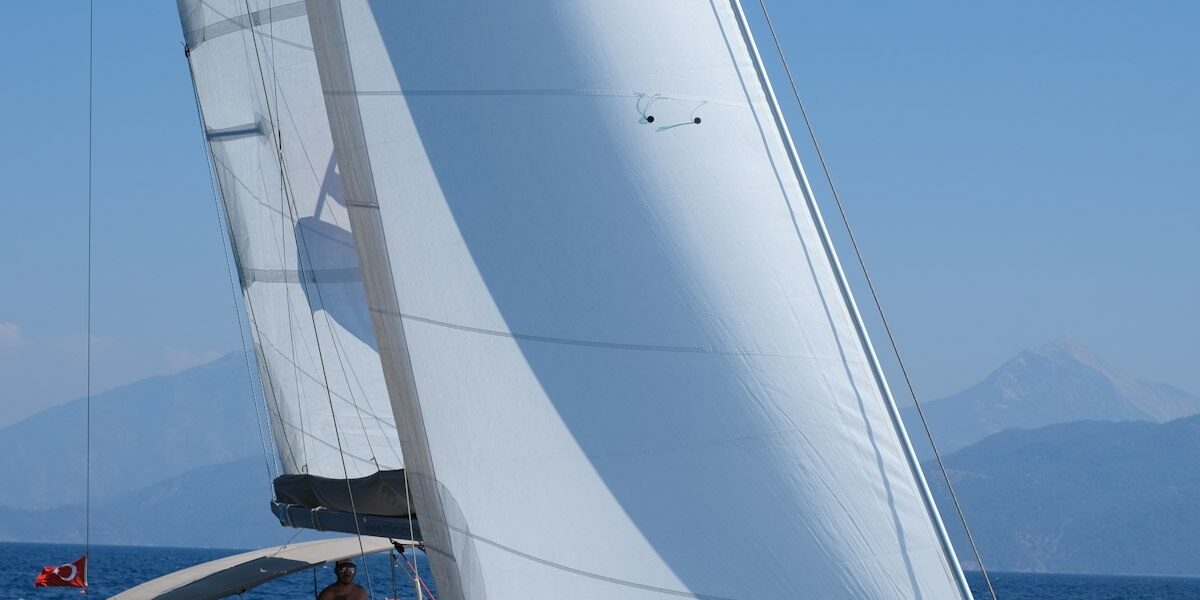
Caribbean cruising has gotten complicated with all the blogs, forums, and contradictory advice flying around.
Planning Your Route
The Caribbean divides into distinct cruising grounds, each with its own personality. The Eastern Caribbean chain runs from the Virgin Islands south through the Windward and Leeward Islands to Trinidad. This is classic trade wind sailing—consistent 15-20 knot easterlies make passage planning straightforward.
The Western Caribbean—Belize, Bay Islands, Mexican coast—offers more protected waters and fascinating Mayan ruins. It requires more careful weather watching though, since fronts from the Gulf of Mexico can disrupt the normal patterns.
Most cruisers start in the Virgin Islands. St. Thomas has excellent provisioning and easy flight connections. The BVI offers better anchoring options and a more relaxed atmosphere. From there, the traditional route runs south: St. Martin, Guadeloupe, Dominica, Martinique, St. Lucia, down to Grenada. I’ve sailed this route multiple times and it never gets old.
Timing and Seasons
Hurricane season officially runs June 1 through November 30. Smart cruisers arrive November or December and head south by May. Trinidad and Grenada lie south of the hurricane belt and offer solid haul-out facilities for boats staying through summer.
The Christmas winds in December and January blow hard—often 25+ knots sustained. I’ve been out there when it was blowing 30 for days straight. January through April sees more moderate 15-20 knot trades. May gets light and unsettled as the weather pattern transitions toward summer.
Probably should have led with this section, honestly. North swells from Atlantic storms make northern anchorages uncomfortable even in fair weather. Always check swell forecasts before anchoring on north-facing shores. I learned this the hard way.
Boat Preparation
Your boat needs to be genuinely self-sufficient. Parts and services vary wildly by island. What’s readily available in St. Martin is impossible to find in Dominica.
Carry comprehensive spares for all critical systems: impellers, belts, hoses, fuel filters, oil filters, zincs, electrical components. Having the right spare when you need it saves a week waiting for shipment. I keep a detailed spare parts inventory on my boat.
Watermakers become almost essential for extended cruising. Water is scarce and expensive on many islands. A modest watermaker producing 10-15 gallons per hour keeps tanks full without constant shore visits.
Solar panels and wind generators reduce dependence on your engine for charging. The strong trade winds make wind generators particularly effective. I combined mine with a solid battery bank and rarely run my engine just for charging.
Refrigeration is a major power consumer but makes life much more comfortable. Plan your electrical system carefully to support it properly.
Navigation and Charts
Modern chart plotters cover the Caribbean well, but carry paper charts as backup. Electronic chart coverage varies—some areas have excellent detail while others rely on surveys from the colonial era.
Use your eyes as your primary navigation tool. That’s what makes Caribbean sailing endearing to us cruisers—the clear water makes visual navigation practical and often more accurate than electronic charts. Learn to read water colors: dark blue is deep, lighter blue is shallower, brown means coral heads.
The Pavlidis guides remain the most comprehensive cruising references for the Eastern Caribbean. Street’s guides are older but contain valuable local knowledge. Supplement with Cruisers’ Net reports and advice from fellow cruisers you meet.
Anchoring Techniques
Caribbean anchoring presents unique challenges. Holding varies dramatically from island to island and bay to bay. Sand is generally good holding, but the grassy patches common throughout the region can defeat many anchor designs.
A properly sized anchor is essential. For most cruising boats, this means 45-60 pounds of CQR, Delta, or modern designs like Rocna or Mantus. I carry a backup anchor of a different design for challenging bottoms—it’s saved me more than once.
Scope requirements vary with conditions. In the protected anchorages of the Virgins, 5:1 scope is usually adequate. In more exposed anchorages or during Christmas winds, I use 7:1 or more. Don’t be stingy with scope.
Set your anchor properly with a good backing down and verify it’s holding before settling in. Re-check after any significant wind shift. Many boats drag anchor each season because of inadequate setting—don’t be that boat.
Customs and Immigration
Each island nation has its own entry requirements. You must clear customs at your first port of entry in each country. Most islands have designated ports—arriving elsewhere can result in fines.
Carry your boat documentation, crew lists, passports, and clearance from your previous port. Some islands require advance notification through services like eSeaClear or NOONSITE. Research requirements before arriving.
Fees vary widely. Some islands are essentially free, while others charge significant clearance fees. Budget accordingly and carry US dollars—they’re accepted almost everywhere, though change comes in local currency.
Provisioning Strategies
Provisioning quality and selection varies dramatically by island. The French islands—St. Martin, Guadeloupe, Martinique—offer superb French provisions at reasonable prices. I stock up on French wine and cheese whenever I’m there. The BVI and USVI have good American-style supermarkets at American prices.
Stock up on favorites when you find them. That special hot sauce or your preferred coffee may not appear again for weeks. Fresh produce availability fluctuates with cargo ship schedules.
Local markets offer the best deals on produce, especially on less-developed islands. Arrive early for the best selection. Local fruits like papaya, mango, and coconut are abundant in season and taste incredible fresh.
Health and Safety
Build a crew health plan before island hops or open-water legs, including hydration, medication lists, watch coverage, and seasickness prevention. Our meclizine and Dramamine comparison for sailors explains OTC ingredient names and alertness risks; the separate scopolamine patch vs Dramamine guide covers prescription-patch precautions and the FDA heat warning.
Medical care varies from excellent to non-existent. St. Martin, Martinique, and Puerto Rico have modern hospitals. Remote islands may have only a nurse or nothing at all.
Carry a comprehensive first aid kit and know how to use it. Include prescription antibiotics for common problems. I took a wilderness first aid course before my first Caribbean season—best decision I made.
Theft is a reality in some areas. Research current conditions before visiting each island. Lock your dinghy, don’t leave valuables visible, and follow local advice about safety ashore. Most places are fine, but stay aware.
Making the Most of Your Cruise
The Caribbean offers far more than just sailing. Each island has its own culture, cuisine, and character. Take time to explore ashore, hike the trails, visit the historic sites, and engage with local communities. These interactions are what I remember most from my Caribbean seasons.
The cruising community provides companionship and support. VHF nets operate on most islands—check in daily to hear weather, announcements, and connect with other cruisers. I’ve made lifelong friends through these daily check-ins.
Don’t rush. The temptation is to cover as much territory as possible, but the best Caribbean experiences come from lingering in places that speak to you. Some of my favorite anchorages weren’t even in the guidebooks.
Final Thoughts
Caribbean cruising rewards preparation and flexibility. Come with a seaworthy boat, an open schedule, and a spirit of adventure. The challenges are manageable and the rewards immense. I’ve never regretted a single season spent down there. Start planning your Caribbean adventure today.


Stay in the loop
Get the latest sail the seas mag updates delivered to your inbox.