
The Pogo 36 Yacht for Ocean Racing
Performance cruiser-racers have gotten complicated with all the builders trying to claim the dual-purpose crown flying around.
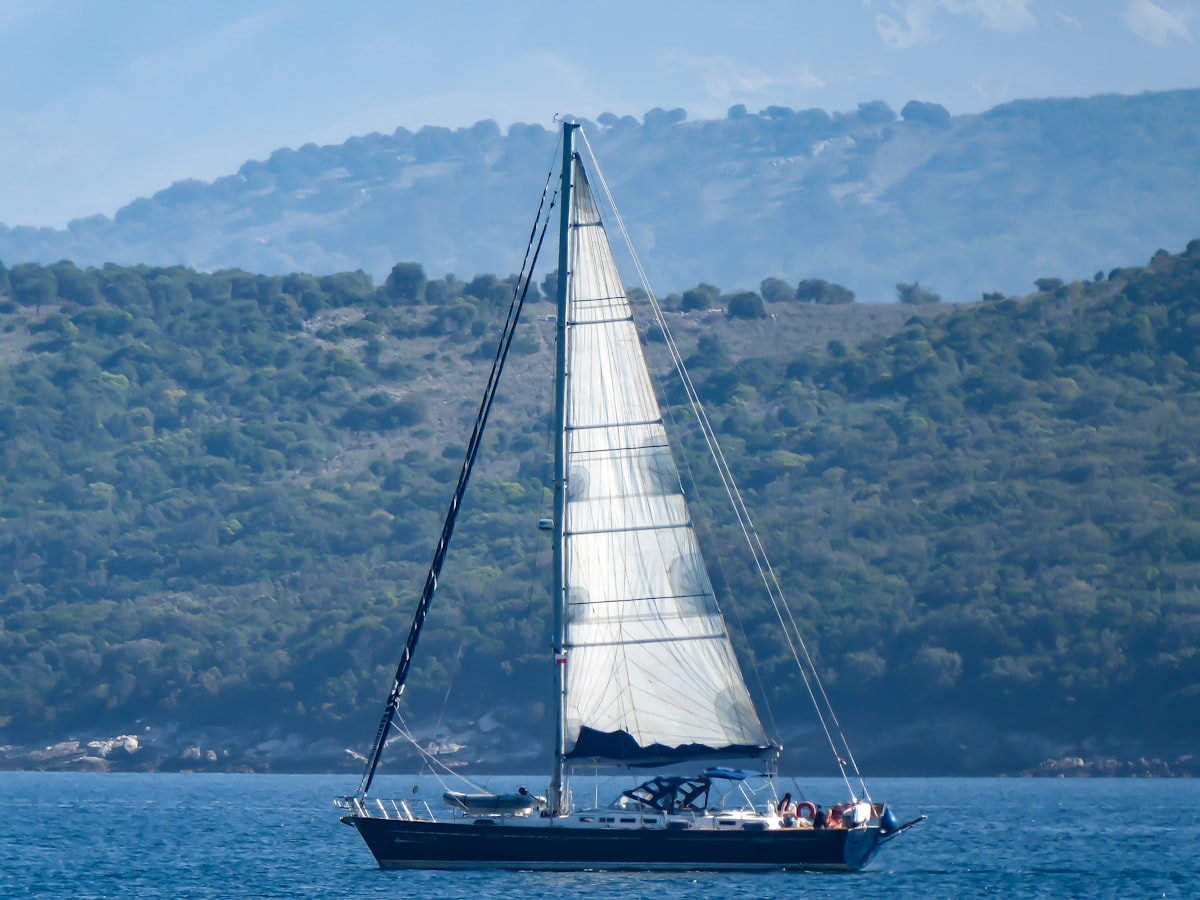
The Pogo 36 showed up at a regatta I was attending in Brittany, and it immediately looked different from everything else on the start line. Wider, flatter, somehow more aggressive. When the gun went off, it was gone. Planing upwind in conditions where the rest of the fleet was slogging along at six knots, the Pogo was doing eight-plus. I turned to the skipper on my boat and said I need to sail on one of those. Two months later, I was aboard one for the Rolex Fastnet qualifier.
Where It Comes From
Pogo Structures is a French boatyard that has been building offshore racing and fast cruising boats since the late 1980s. They are based in Brittany, which tells you something about their approach — these boats are designed for the kind of conditions the Bay of Biscay throws at you. Cold, rough, and demanding. The Pogo 36 sits in their lineup as a boat that can race seriously but also cruise comfortably with a couple or small crew.
Design and Construction
Finot-Conq drew the hull lines, and they got it right. The beam is wide and carried well aft, which gives the boat stability and interior volume. But what makes the Pogo 36 different from a typical wide-beamed cruiser is the hull shape — it is designed to plane. In enough wind, this 36-foot boat lifts its bow and surfs. I have seen 15-knot speeds downwind in 25 knots of breeze. For a 36-footer, that is absurd.
Construction is vacuum-infused foam-sandwich polyester. This builds a hull that is stiff, light, and strong — the three things you need in an offshore yacht. The build quality at Pogo is excellent. I spent time below decks inspecting the structural grid, and the bonding was clean and consistent throughout. These boats are built by people who know they will be sailed hard in bad conditions.
The lifting keel is a key feature. It lets you access shallow anchorages that fixed-keel boats cannot enter, and it optimizes ballast distribution when fully down for heavy-air racing. Raising the keel in the harbor means you can dry out on a beach or enter rivers that deeper boats must avoid.
How It Sails
That’s what makes the Pogo 36 endearing to us sailors who want performance without giving up comfort — it sails like a race boat but lives like a cruiser.
Upwind, the boat points well with the keel fully down and carries speed through chop. The helm is balanced and communicative — you can feel what the boat is doing through the tiller. Yes, tiller. Pogo boats have tillers, which purists love and some cruisers are nervous about. After thirty minutes on the boat, you will prefer it. The feedback is immediate and the boat responds instantly to input.
Downwind is where the magic happens. The wide stern and flat run allow the boat to plane, and when it does, the speed jump is dramatic. The boat goes quiet, the bow rises, and suddenly you are moving at double-digit speeds on a 36-footer. It is genuinely thrilling.
In light air, the large sail area moves the boat well. The fractional rig with a square-top main is efficient and easy to manage. I’m apparently one of those sailors who loves light-air sailing while most of my friends want 20 knots minimum, and the Pogo obliged with responsive performance even in eight knots of breeze.
Interior
The wide beam pays off below decks. The saloon is bigger than you expect on a 36-footer, with good headroom and enough natural light to feel open rather than enclosed. The galley is practical with real counter space and secure stowage for cooking at sea. The navigation station works for both electronics and chart work.
Sleeping accommodations vary by layout option, but the typical setup has berths for six. The aft cabin has a proper double berth, and the forward cabin is comfortable for two. Storage is adequate for cruising, and Pogo has clearly thought about where gear goes. Lockers are where you reach for them, and heavy items can be stowed low to keep the center of gravity reasonable.
Probably should have led with this section, honestly, since a lot of people dismiss racing designs as spartan below. The Pogo 36 is not. It is not a luxury yacht either, but it is comfortable enough for weeks aboard.
Technology
Modern electronics integrate well — the boat is pre-wired for navigation systems, autopilot, AIS, and instrumentation. Solar panels and wind generators can be fitted for offshore passages, and the energy systems are designed to support extended cruising away from marinas. The boat was designed with self-sufficiency in mind, which matters if you are crossing an ocean or just spending a week in an anchorage without shore power.
Customization
Pogo offers a range of build options. You can go full race spec with a carbon mast, minimal interior, and racing sail inventory. Or you can spec it as a fast cruiser with a complete interior, cruising electronics, and comfort features. Most owners I have met split the difference — they want the performance with enough comfort to enjoy the destination after a fast passage. The yard is flexible and will work with buyers to create the right configuration.
The Racing Record
Pogo 36s have competed successfully in major offshore events including various Transatlantic races, the Route du Rhum qualifiers, and numerous RORC races. The boat’s IRC rating is competitive in its class, and well-sailed Pogos regularly place on the podium. For a production boat at this price point, the racing pedigree is genuinely impressive.
Market and Value
The Pogo 36 holds its value well in the used market because demand is consistent and supply is limited. Pogo Structures builds relatively small numbers compared to mass-production yards, which means used boats sell quickly. If you find one in good condition with a documented history, do not wait long to make an offer.
New pricing depends on specification level, and the range is wide between a basic racing setup and a fully equipped cruiser. Contact Pogo Structures directly or their network of dealers for current pricing — it changes with exchange rates and material costs.
Who This Boat Is For
The Pogo 36 is for sailors who refuse to accept the traditional compromise between racing speed and cruising comfort. If you want a boat that can win its class on Saturday and then take you to a quiet anchorage on Sunday with enough comfort to enjoy it, this is one of the best options in its size range. It is not for people who prioritize interior luxury above all else, and it is not for people who want a gentle, forgiving daysailer. It rewards skill, it goes fast, and it makes you feel alive on the water. That is a hard combination to beat.
Recommended Boating Gear
Stearns Adult Life Vest – $24.99
USCG approved universal life jacket.
Chapman Piloting & Seamanship – $45.00
The definitive guide to boating since 1917.
As an Amazon Associate, we earn from qualifying purchases.


Stay in the loop
Get the latest sail the seas mag updates delivered to your inbox.