
The Cape Dory 28 is a 9,000-pound, full-keel cruising sailboat designed by Carl Alberg and built from 1974 through 1987. It appeals to buyers who value tracking, moderate draft, traditional hardware and a compact cruising interior more than light-air speed or modern interior volume. In 2026, condition matters far more than model reputation: every example is nearly four decades old or older.
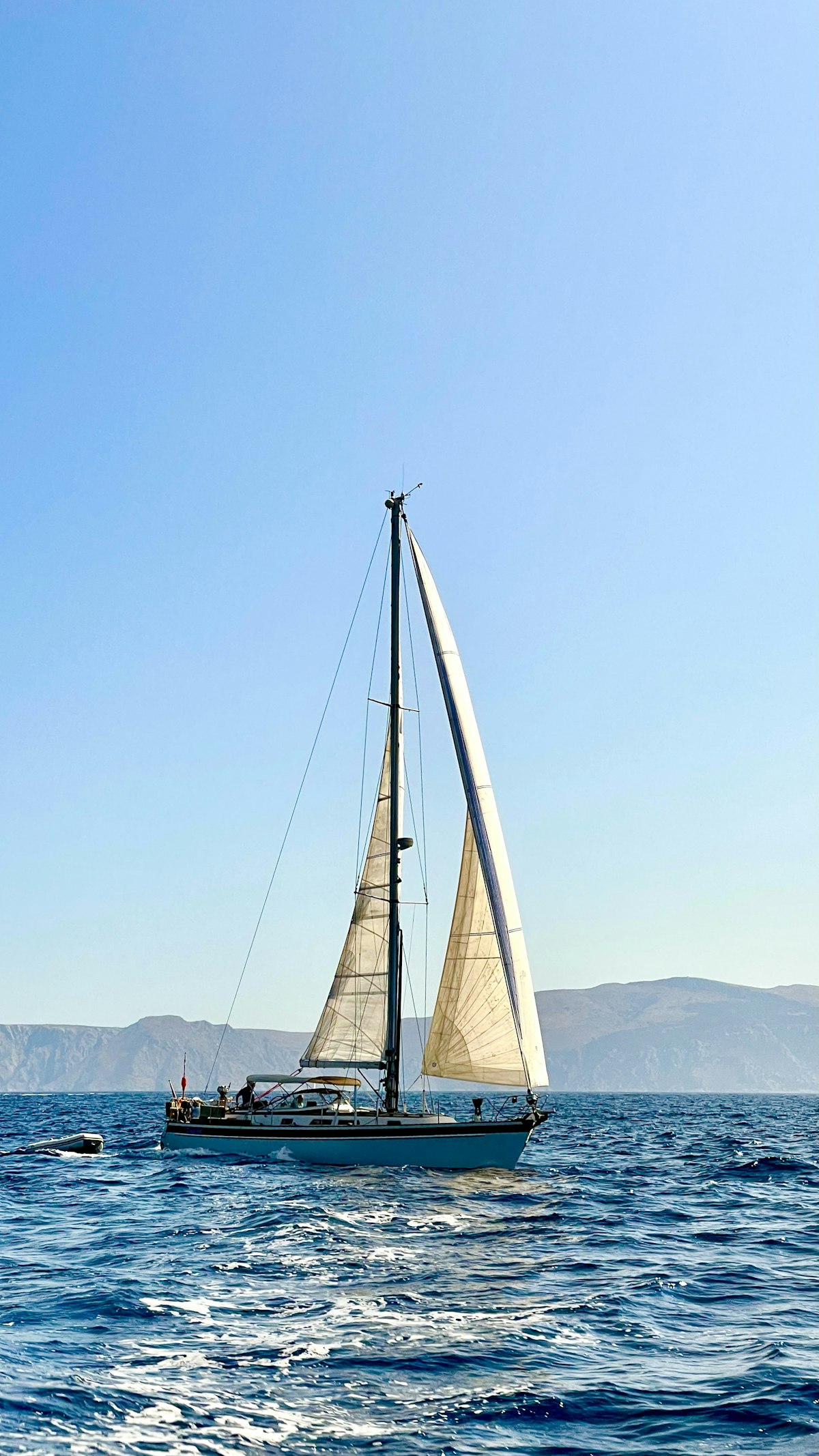
This is a specification-based buyer guide, not a claim that we owned, surveyed or sailed a particular Cape Dory 28. Specifications come from archived Cape Dory brochures and the Cape Dory Sailboat Owners Association (CDSOA); equipment and construction details can vary by hull and year.
Cape Dory 28 specifications
| Designer | Carl Alberg |
|---|---|
| Years built | 1974–1987 |
| Number built | 389, according to CDSOA |
| Length overall | 28 ft 1¾ in |
| Waterline length | 22 ft 2½ in |
| Beam | 8 ft 10½ in |
| Draft | 4 ft |
| Displacement | 9,000 lb |
| Ballast | 3,500 lb lead, molded low inside the keel and glassed in |
| Sail area | 404 sq ft |
| Mast height | 40½ ft in the archived specification |
Do not confuse this sailboat with the later Cape Dory 28 powerboat. The powerboat has different dimensions, hull form, displacement and machinery.
Hull, keel and rig
The sailboat has a long full keel with an attached rudder. The 1978 brochure describes molded lead ballast placed inside the keel and glassed in, rather than an externally bolted fin keel. That distinction matters during inspection: generic advice about checking keel bolts should not be copied onto this boat without confirming a particular hull’s structure.
The archived specification describes a moderate sail plan, bowsprit and self-tending club-footed jib. A club jib can reduce sheet handling during a tack, but surviving boats may have modified sail plans, furlers, stays, spars or deck hardware. Treat the current rig—not a brochure photo—as the system being purchased.
What the design does well
Directional stability
The long keel and attached rudder are intended to track steadily. That can reduce constant helm correction compared with a more maneuverable fin-keel design. It does not mean the boat steers itself or cannot be difficult in reverse.
Moderate draft
A four-foot draft provides access to many cruising grounds while retaining the protected rudder and long-keel arrangement. Confirm actual draft after loading and verify charted depths and local conditions.
Traditional cruising equipment
The archived 1981-era material lists bronze opening ports, bronze seacocks on through-hulls, bronze hardware and a lightning grounding system. Those were meaningful original features, but age, dezincification, modifications and maintenance determine their condition today.
Compact but purposeful accommodation
The 1978 brochure describes a forward V-berth, main-cabin berths, galley, head, opening ports and hatches. Interior arrangement changed across production, and owner modifications are common. Measure berths and standing room yourself rather than relying on an uncited “sleeps five” claim.
Where the Cape Dory 28 compromises
- Light-air acceleration: 9,000 pounds on a short waterline will not react like a light modern boat.
- Reverse handling: long-keel boats can have limited control astern, especially before water flows across the rudder.
- Interior volume: the narrow beam and traditional hull shape yield less cabin width than many newer 28-foot cruisers.
- Systems age: tanks, wiring, hoses, rigging, seacocks, engine, deck fittings and steering or tiller hardware may be decades beyond original service life.
- Parts: original equipment may be discontinued; verify service and replacement options before purchase.
Engine and repower questions
CDSOA’s original-equipment list identifies the Volvo MD7B on the Cape Dory 28 and 30, while brochures describe a Volvo diesel more generally. A surviving boat may retain an original engine, have another historical installation, or have been repowered. Do not assume the engine from the model name alone.
Record the engine model, serial number, installation date, hours if credible, cooling configuration, transmission, shaft, propeller, mounts, exhaust, controls and service records. A repower is not automatically an upgrade if access, alignment, ventilation, exhaust rise, weight or electrical work is poor. Have a marine-diesel technician assess machinery separately from the hull survey when warranted.
Cape Dory 28 pre-purchase checklist
- Hire an independent accredited marine surveyor. The survey should be for the buyer, not copied from the seller.
- Haul the boat. Inspect hull, rudder, propeller, shaft, cutless bearing, through-hulls and underwater repairs.
- Map moisture and deck condition. Pay close attention around chainplate castings, stanchions, mast step, hatches, winches, cleats and other penetrations.
- Inspect standing rigging. Determine age, terminal type, chainplate condition and replacement documentation.
- Exercise every seacock. Identify material, bonding arrangement, hose condition, clamps and accessibility. Do not force a frozen valve afloat.
- Inspect fuel and water systems. Identify tank material and access, then look for leakage, odor, corrosion and unsupported hoses.
- Test electrical systems. Review batteries, charging, shore power, overcurrent protection, wiring terminations and modifications.
- Sea-trial the boat. Test steering, sails, engine load, cooling-water discharge, charging, controls, vibration and navigation equipment.
- Price the work before closing. Obtain written estimates for major rigging, engine, deck, tank or electrical work.
Our separate Cape Dory 28 problems and inspection guide explains common age-related systems without pretending every hull has the same defect.
How to evaluate asking price
There is no defensible universal price range without current comparable listings and condition data. Asking price is not sale price. Compare hull year, location, survey findings, engine, rigging age, sails, tank work, electronics, storage history and documented upgrades. A low purchase price can be overwhelmed by one engine, deck or rigging project.
Separate cosmetic value from safety and systems value. Bright teak and new upholstery do not offset unknown standing rigging, frozen seacocks or improvised shore power. Conversely, faded cosmetics may hide a structurally and mechanically well-maintained boat.
Who should buy one?
The Cape Dory 28 suits a buyer who wants traditional handling, can accept modest interior volume, understands older-boat maintenance and values a large owner knowledge base. It is a poor fit for someone seeking planing performance, effortless reverse maneuvering, modern apartment-like space or ownership without recurring systems work.
Verdict
The Cape Dory 28’s design remains coherent: a full keel, attached rudder, moderate sail plan, four-foot draft and substantial displacement in a compact cruiser. But “Cape Dory quality” is not a substitute for a survey. Buy the maintenance history and present condition—not a nostalgic story about the model.




Stay in the loop
Get the latest sail the seas mag updates delivered to your inbox.