Cruising Guide to Los Roques, Venezuela
Cruising the Venezuelan islands has gotten complicated with all the safety warnings and outdated information flying around online.
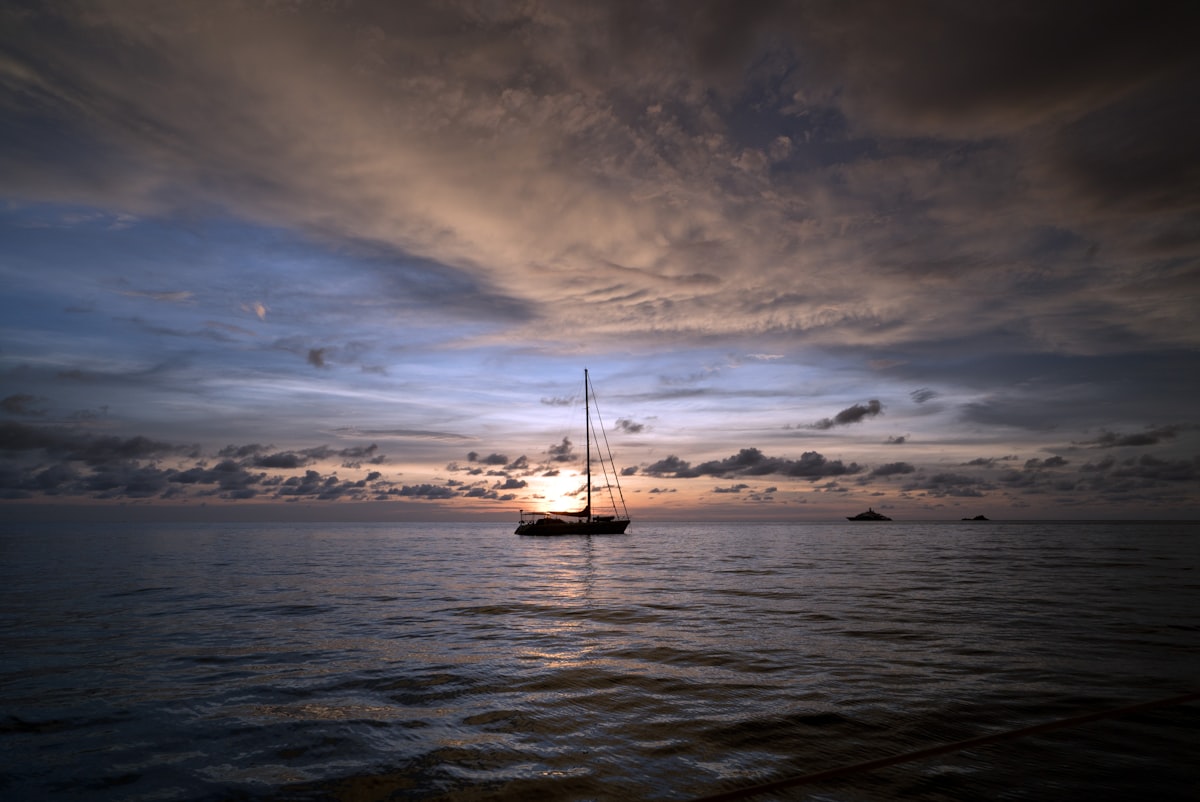
Los Roques is one of those places that makes you question why you bother sailing anywhere else in the Caribbean. Over 300 islands and cays, most of them uninhabited, scattered across a shallow coral lagoon with water so clear you can read the anchor chain at twenty feet. The first morning I woke up at anchor in the archipelago, I looked over the side and thought the boat was floating in air. The water was that transparent.
Geography and Layout
The archipelago covers about 40 square kilometers of land spread across 221 square kilometers of ocean. The islands form a rough rectangle around a central lagoon, and that lagoon is what makes Los Roques special for cruisers. The reef rim provides protection from ocean swells, so once you are inside, the water is flat calm even when it is blowing 20 knots outside.
Gran Roque is the only island with permanent residents — maybe 1,500 people, mostly fishermen and posada operators. It has the airport, the Coast Guard station, and all the services such as they are. Other notable islands include Cayo de Agua, Crasqui, and Francisqui. Each one has a different character, and hopping between them by dinghy or short sail is half the fun.
The climate is tropical and dry. Average temperature sits around 82F year-round with steady trade winds from the east. Dry season runs December through April and that is when most cruisers visit. I was there in February and had sunshine every day with winds between 12 and 18 knots. Perfect sailing weather.
The Main Anchorages
Gran Roque
You will check in here with the Coast Guard and national park authority. The anchorage off the town is rolly when the wind clocks north, but it is convenient for provisioning and clearing in. The town itself is colorful — pastel fishermen’s houses, a couple of small restaurants, and a lighthouse on the hill that gives you a panoramic view of the entire archipelago. We climbed up there our first evening and watched the sun set over the lagoon. Worth the ten-minute hike.
Cayo de Agua
Probably should have led with this section, honestly, because Cayo de Agua is the reason most people come to Los Roques. The beach here is genuinely the most beautiful I have seen in fifteen years of Caribbean cruising. The water glows turquoise, and sandbars connect the small cays at low tide so you can walk between islands. There are no facilities — no bathrooms, no shade structures, nothing. Bring everything you need. We anchored the cat on the lee side and took the dinghy to the sandbar. Spent the entire day snorkeling and did not see another boat until late afternoon.
Crasqui
Crasqui has long white sand beaches and consistent wind, which makes it popular with kitesurfers. A small fishing community operates from the island, and the fishermen sell their catch directly off the boats. We bought a bag of lobster tails for about eight dollars, which felt almost criminal. The anchorage is well-protected in the prevailing easterlies. I slept through the night without the anchor alarm going off once.
Francisqui
Francisqui is split into three sections — Bajo, Medio, and Arriba. The water on the leeward side is calm enough for small kids, and the snorkeling on the windward reef is excellent. This is the easiest day trip from Gran Roque and the most visited island, so expect company during peak season. We preferred the quieter anchorages further out, but Francisqui is a good first stop to get your bearings.
Navigation Notes
That’s what makes Los Roques endearing to us cruisers — the sailing between islands is short, sheltered, and visually stunning. But the navigation requires attention. The coral heads inside the lagoon are poorly charted, and GPS positions in older chart plotters can be off by a hundred meters or more in places.
- Eyeball navigation is essential. Polarized sunglasses and good light are your primary navigation tools inside the lagoon. I would not enter unfamiliar anchorages after 3 PM when the sun gets low and you lose the ability to read the water color.
- Marked channels exist but are minimal. The main channel from the ocean into the lagoon near Gran Roque is marked, but once you are inside, you are largely on your own. Go slow and post a lookout on the bow.
- Anchor in sand, not coral. The holding is excellent in the sandy patches, which are easy to spot — bright white bottom versus the darker reef areas. Dragging an anchor through live coral is both bad for the reef and bad for your anchor.
Marine Life
Los Roques is a national park, and the marine biodiversity reflects it. The reefs host over 200 fish species — parrotfish, barracuda, snapper, and grouper are everywhere. We saw sea turtles on almost every snorkel. One afternoon at Cayo de Agua, a hawksbill turtle surfaced about ten feet from the dinghy and just floated there looking at us for a solid minute before diving.
For birders, the archipelago is significant. Brown pelicans, frigatebirds, and red-billed tropicbirds are common. The mangrove flats are nursery habitat for juvenile fish and crustaceans, which supports the entire food chain. It is a genuinely healthy ecosystem, and the national park designation since 1972 is the main reason it has stayed that way.
Conservation and Park Rules
You will pay a national park fee upon entry — it was modest when I was there, something like twenty dollars per person. The rules are straightforward: no fishing without a permit, no collecting shells or coral, no anchoring on reef, no dumping waste. Follow them. The park rangers patrol regularly, and the fishermen who depend on these waters for their livelihood take conservation seriously. I watched a ranger fine a charter boat that was anchored on a coral head. He was polite but firm about it.
Getting There by Boat
Most cruisers approach from Bonaire, Curacao, or the Venezuelan mainland. The passage from Bonaire is roughly 100 nautical miles and can be sporty — the current runs hard through that stretch and the seas can build. We left Bonaire at midnight and arrived mid-morning, which worked well for entering the lagoon with the sun still high enough for coral spotting.
From the mainland, some sailors depart from La Guaira or Puerto La Cruz. The security situation on the Venezuelan coast is something you need to research independently and recently — conditions change. When we went, we staged from Bonaire and returned there after, avoiding the mainland entirely.
What to Do
The activities are simple and that is the point:
- Snorkeling and diving: The reef system is world-class. Bring your own gear because rental options in Gran Roque are limited and the quality is questionable.
- Fishing: Los Roques is famous for bonefishing on the flats. Fly fishermen come from around the world for this. You need a permit from the park authority, but the fishing is genuinely exceptional.
- Island hopping: With hundreds of cays to explore, you could spend months and not see them all. We covered about a dozen in two weeks and barely scratched the surface.
- Absolutely nothing: Some of the best days were anchoring behind a sandbar, swimming off the boat, reading in the cockpit, and watching the light change over the water. No phone signal, no schedule, no agenda.
Where to Eat and Stay (If Not on Your Boat)
Accommodations on Gran Roque are all posadas — small family-run guesthouses that typically include meals. The food is centered on whatever the fishermen brought in that day. Lobster, squid, snapper, all prepared simply and served with rice and plantains. I ate some of the best seafood of my life in a posada dining room that seated maybe twelve people. Nothing fancy, everything fresh.
For cruisers provisioning, the options on Gran Roque are limited. There is a small store with basics — canned goods, rice, beer, water. Fresh produce is scarce and arrives by plane. Bring what you need from your departure port. We loaded up in Bonaire and were glad we did.
Los Roques is one of those rare places that genuinely lives up to the hype. The sailing is easy, the water is stunning, the marine life is abundant, and the pace is exactly as slow as you want it to be. Plan ahead, respect the park rules, and give yourself enough time. Two weeks was not enough.
Recommended Boating Gear
Stearns Adult Life Vest – $24.99
USCG approved universal life jacket.
Chapman Piloting & Seamanship – $45.00
The definitive guide to boating since 1917.
As an Amazon Associate, we earn from qualifying purchases.

Stay in the loop
Get the latest sail the seas mag updates delivered to your inbox.