
When I first decided to learn sailing, I had visions of expensive lessons, costly gear, and prohibitive club memberships. As someone who went from complete novice to competent cruiser over a few years, I can tell you the real costs are more manageable than most people assume – if you’re strategic about it. Learning to sail ranges from surprisingly affordable to genuinely expensive, depending on choices you make along the way. Here’s what I learned about the actual costs.
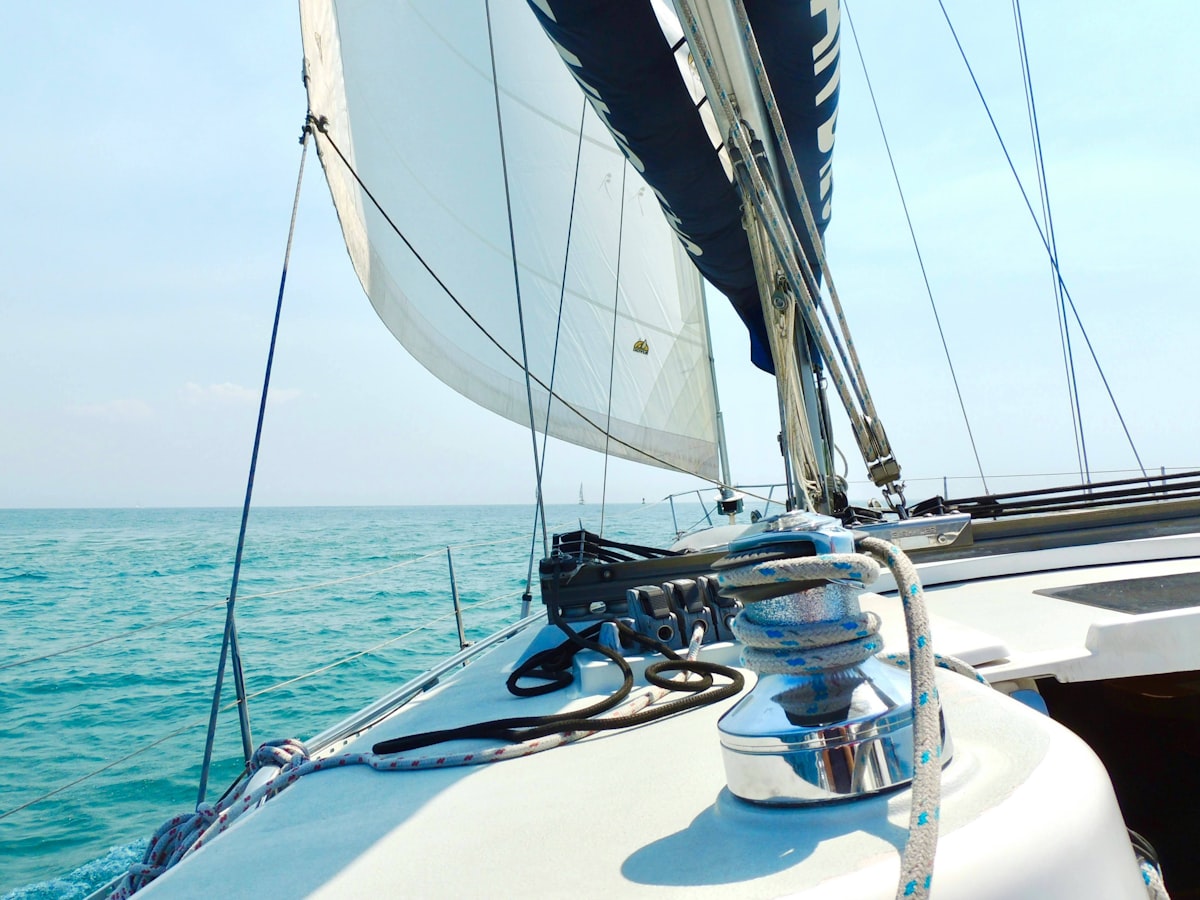
Formal sailing courses vary wildly in price based on where you take them, who teaches them, and how comprehensive they are. Basic keelboat courses through the American Sailing Association or US Sailing might run $500 to $1,500 for several days of instruction covering fundamentals, safety, navigation, and hands-on practice. That’s real money, but it’s also structured learning that’ll get you competent faster than fumbling around on your own. I took this route and don’t regret it – having certified instruction meant I understood why things worked, not just what buttons to push.
Gear adds up depending on what’s included in your course and what you need to provide yourself. Some schools supply everything; others expect you to show up with life jackets, appropriate clothing, and proper footwear. Essential items aren’t outrageously expensive – a decent PFD runs under $100, sailing gloves are $20-40, and proper shoes maybe $50-80. Foul weather gear gets pricier if you need it, but plenty of beginners manage with standard outdoor clothing until they commit to sailing in all conditions.
Advanced courses exist for those who catch the sailing bug and want to go further – offshore sailing, celestial navigation, advanced boat handling. These cost more and take more time, but they’re optional unless you’re planning serious bluewater passages or professional sailing work. Certifications also have costs attached, though they’re valuable for chartering boats internationally or proving competence to yacht brokers.
Probably should have led with this: location matters enormously for pricing. Sailing schools in premium coastal destinations or tourist areas charge more because their operating costs are higher and their market can bear it. Schools in less glamorous locations often offer the same quality instruction at significantly lower prices. The sailing is just as good – the scenery and networking opportunities might differ, but you’ll learn to tack and jibe either way.
Here’s where smart choices save money: sailing clubs. Joining a local yacht club or community sailing program often provides discounted lessons, access to boats, and a community of sailors willing to teach. Club memberships cost money upfront but pay off quickly if you sail regularly. Some clubs let members use boats included in membership – dramatically cheaper than renting independently. Plus, experienced members often need crew, which means free sailing in exchange for your labor and enthusiasm.
Other cost-saving approaches include group lessons (cheaper per person than private instruction), off-peak timing (some schools discount shoulder season courses), and learning informally from experienced friends or family. I’ve met excellent sailors who never took a formal course – they learned by crewing, reading, watching videos, and gradually taking on more responsibility. This path takes longer and requires finding willing mentors, but it works if cost is a real barrier.
That’s what makes learning to sail endearing to us who’ve been through it: there’s a path for almost any budget. You can spend thousands on comprehensive instruction and premium locations, or you can find creative ways to learn affordably. Either way, the reward – genuine competence on the water and access to a lifetime of sailing experiences – is worth the investment. The sea doesn’t care how much you spent learning; it cares whether you can handle the boat.




Leave a Reply