
Best Spray Wax for Boats
Keeping a boat looking sharp has gotten complicated with all the detailing products and conflicting advice flying around.
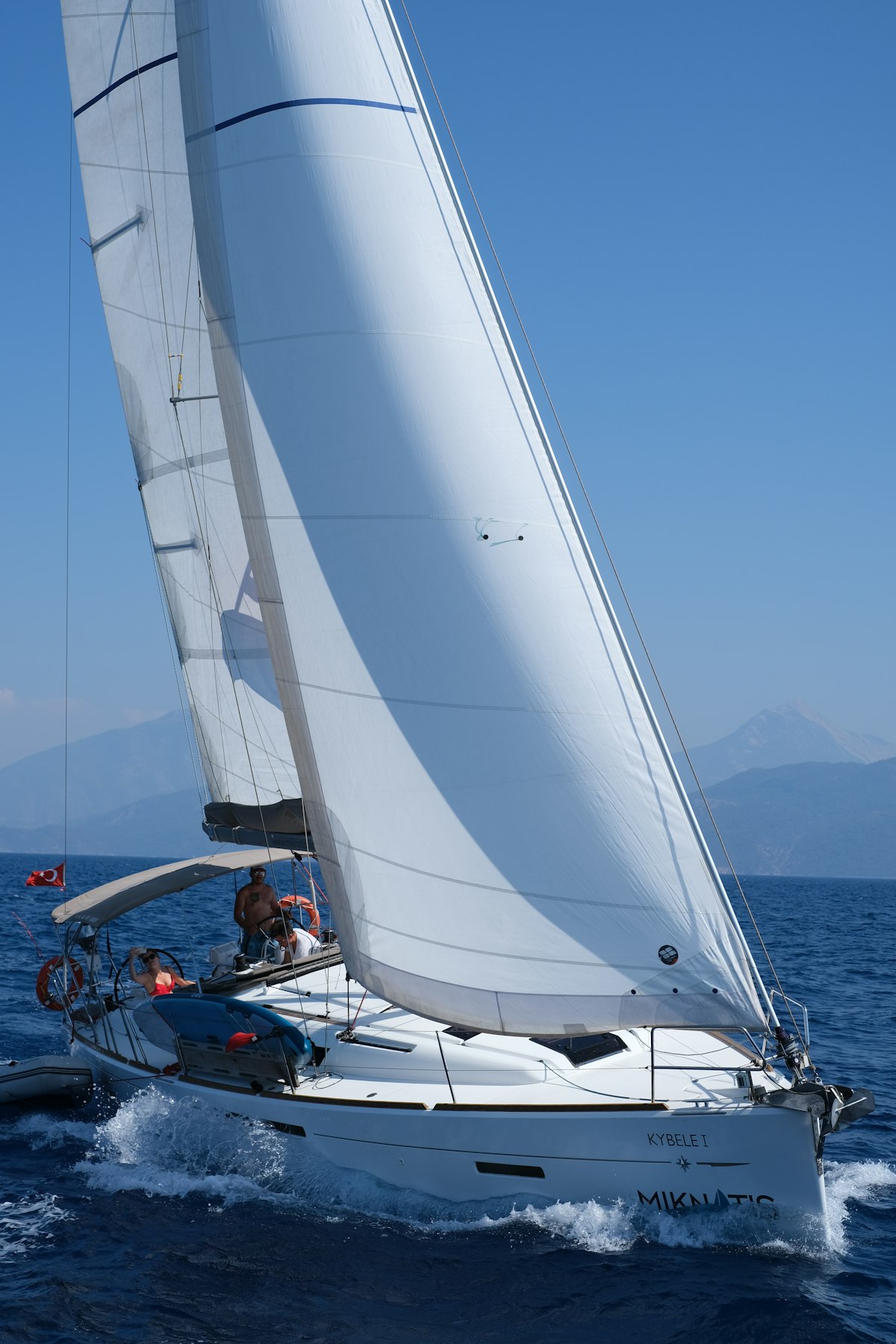
Here is the thing about boat surfaces — they take an absolute beating. Saltwater, UV, bird droppings, dock grime. My first boat was a 1998 Bayliner that I let go two seasons without waxing. The gel coat oxidized so badly it looked like someone had rubbed it with sandpaper. Spray waxes are the quick-and-easy answer for keeping that from happening, and honestly, for most boat owners they are all you need between full compound-and-wax jobs.
Spray wax maintains a surface that is already clean and corrected. If the gelcoat is faded or chalky, first use our oxidized gelcoat restoration guide to choose a cleaner-wax, oxidation remover, compound, or polish.
What to Look for in a Spray Wax
Probably should have led with this section, honestly. Before getting into specific products, here is what actually matters:
- Ease of application: If it is not quick to spray and wipe, you will not use it. That is just human nature.
- UV protection: This is the big one for boats. Sun damage is what kills gel coat over time.
- Longevity: Some spray waxes last a couple of weeks, others a couple of months. Huge difference.
- Surface compatibility: Make sure it works with fiberglass, gel coat, or whatever your hull is made of. I once used an automotive spray wax on a painted aluminum hull and it left weird white streaks everywhere.
Products That Actually Work
Meguiar’s Marine/RV Quik Wax
This is my go-to for quick weekend touch-ups. I keep a bottle in the cockpit locker and hit the topsides after every rinse-down. You spray it on, wipe it off with a microfiber towel, and the whole boat is done in maybe twenty minutes. It works on wet surfaces too, which is a genuine time-saver — no waiting for everything to dry first.
The UV inhibitors in this one are solid. I used it exclusively on a friend’s Catalina 30 for an entire summer in South Florida, and the gel coat held its gloss through months of brutal sun. It does not remove heavy oxidation or anything like that, but for maintaining a surface that is already in decent shape, it is hard to beat for the price.
3M Marine Clean and Shine Wax
3M does not make a lot of flashy claims with this product, and I respect that. It goes on easy, dries fast without streaking, and leaves a nice glossy finish. I’m apparently one of those people who notices streaks obsessively, and this stuff while Meguiar’s occasionally leaves a hint of residue in direct sun never does.
It handles fiberglass, gel coat, and painted surfaces without issues. The UV protection seems on par with the Meguiar’s product. Where it edges ahead is the drying speed — you can spray a large panel and buff it before moving to the next one without worrying about it baking on.
Star brite Premium Marine Polish with PTEF
Star brite threw PTEF polymers into this formula, and it shows. The slickness factor after application is noticeably higher than the other products on this list. Water beads and sheets off the hull in a way that makes you feel like you actually accomplished something.
I used this on my current boat after a compound job, and the finish lasted roughly eight weeks before I felt like it needed reapplication. That is pretty impressive for a spray product. It handles metal surfaces too, so I use it on the stainless stanchions and bow rail. The only downside is the price — it costs more per ounce than the Meguiar’s or 3M products.
Turtle Wax ICE Spray Wax
This one comes from the automotive world, and some boaters swear by it. The synthetic polymers bond well to gel coat, and the finish is genuinely impressive for the price point. I picked up a bottle at an auto parts store one Saturday when I could not find my usual marine product, and it worked fine.
That said, it was not formulated for marine environments specifically. It lacks the salt-corrosion resistance that dedicated marine products offer. For freshwater boats or boats that live on a trailer, it is a great budget option. For saltwater use, I would stick with a marine-specific product.
Aerospace 303 Marine Protectant
This is more of a protectant than a traditional spray wax, but it deserves a spot here because a lot of boat owners use it as their primary surface treatment. You apply it with a cloth rather than spraying directly, and it creates a really nice water-repellent layer.
Where 303 shines is versatility. I use it on the vinyl seats, the rubber hatches, the fiberglass, basically everything above the waterline. Its UV blocking is probably the best on this list. The trade-off is that it does not produce quite the same mirror-gloss that a dedicated wax gives you. It is more about protection than show.
Application Tips from Actual Experience
- Start clean: Wash the boat first. Waxing over salt and grime just locks in the damage. I use a basic boat soap and a soft brush.
- Microfiber only: Old bath towels will scratch gel coat. I buy microfiber cloths in bulk from Costco — the yellow ones work great.
- Work in sections: Do one panel at a time. Spray, wipe, buff, move on. Trying to spray the whole hull and then go back to buff never works well.
- Skip the midday sun: I learned this the hard way. Wax bakes onto hot surfaces and turns into a nightmare to buff out. Early morning or late afternoon is the move.
Keeping the Finish Between Wax Jobs
Spray wax is not a substitute for the full compound-and-wax treatment you should do once or twice a year. But it extends the life of that base coat dramatically. Between wax jobs, a few habits go a long way:
- Rinse after every outing. Fresh water, five minutes. Salt left on the hull overnight does real damage.
- Wash with boat soap monthly. Regular dish soap strips wax. Marine soap does not.
- Cover the boat when you can. A mooring cover blocks UV, rain, and bird bombs. My neighbor’s boat sits uncovered year-round and the gel coat looks ten years older than it is.
Mistakes I Have Made So You Don’t Have To
- Waxing a dirty hull: I did this once after a long weekend when I was too tired to wash first. Ended up with swirl marks baked into the surface.
- Using a terry cloth towel: Left fine scratches everywhere. Microfiber costs almost nothing. Just use it.
- Spraying too much: More wax does not mean more protection. A thin, even layer is what you want. Extra product just creates streaks and wastes money.
- Ignoring the product instructions: Every formula is a little different. Some want you to let it haze, some want immediate wipe-off. Read the bottle.



Stay in the loop
Get the latest sail the seas mag updates delivered to your inbox.